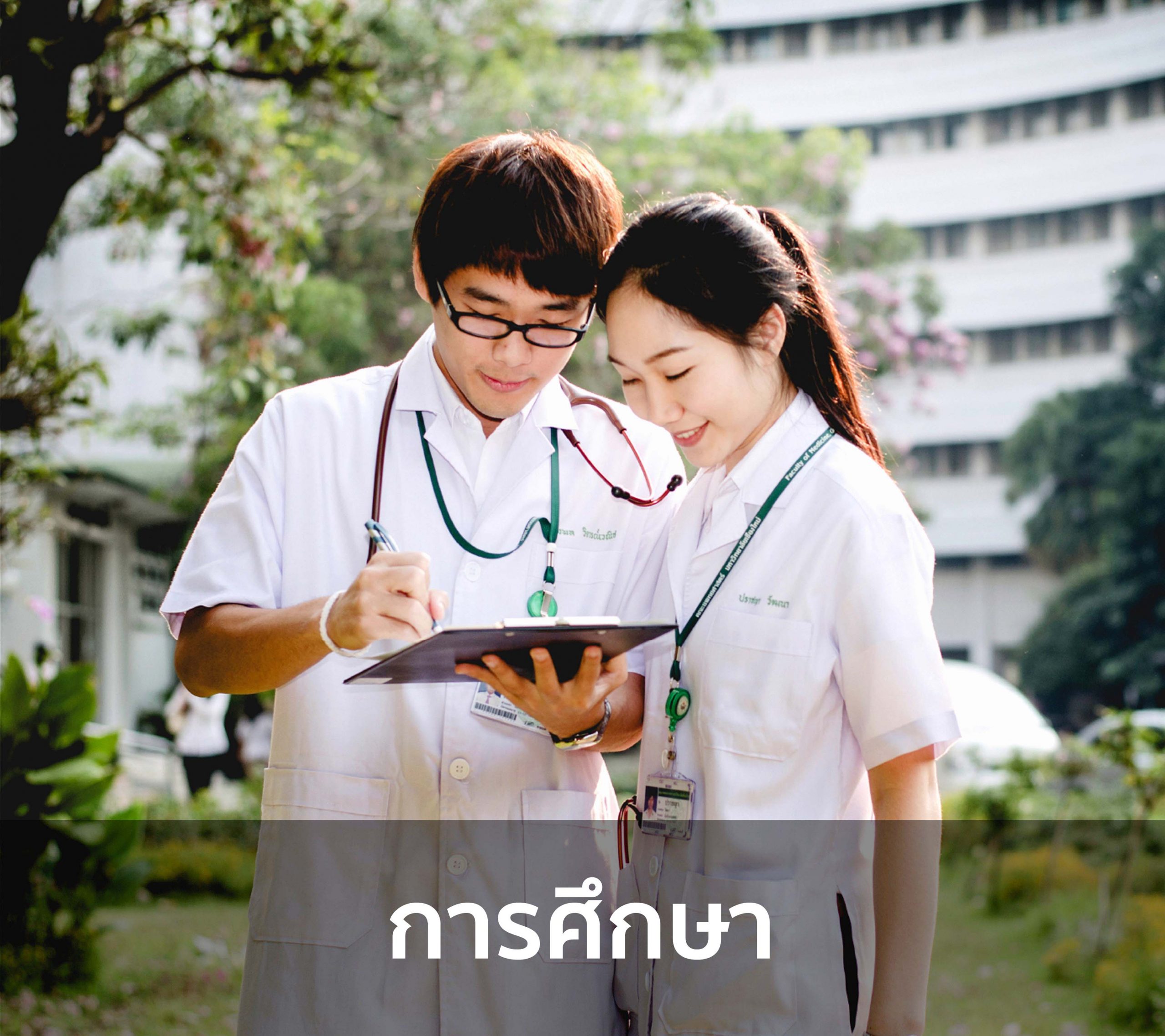


มุ่งเน้นผลิตบัณฑิตแพทย์ให้มีคุณธรรมจริยธรรมปฏิบัติตนตามจรรยาบรรณแห่งวิชาชีพ มีสุขภาพกายและใจที่สมบูรณ์ เป็นต้นแบบด้านสุขภาพให้กับสังคมและชุมชนมีความรู้ ทักษะทางวิชาชีพ เจตคติ ที่เหมาะสมและสอดคล้องกับระบบสาธารณสุข สามารถคิดอย่างมีวิจารณญาณ สร้างสรรค์ ใฝ่รู้ ศึกษาต่อเนื่อง และแก้ไขปัญหาได้อย่างเป็นระบบ มีทักษะด้านการทำวิจัย มีภาวะผู้นำทำงานร่วมกับผู้อื่นและสื่อสารได้อย่างมีประสิทธิภาพ